
Galvanized Pipe Guide
Pre-1980 Homes in Loveland: A Galvanized Pipe & Repiping Guide
If your Loveland home was built before 1980, there’s a real chance you’re still running original galvanized steel pipe. Here’s what that means and what your options are.
Why Galvanized Pipe Was the Standard
Galvanized steel pipe — steel coated with a zinc layer to resist corrosion — was the standard water supply material in American residential construction for much of the 20th century, including in Loveland’s older neighborhoods, before copper and later PEX became the norm starting around the 1960s-80s depending on the region and builder.
At the time it was installed, galvanized pipe was a reasonable, durable choice. The issue isn’t that it was poor material — it’s that zinc coatings have a finite lifespan, typically 40-60 years depending on water conditions, and most galvanized pipe installed in Loveland homes has now exceeded or is approaching that window.
How Galvanized Pipe Fails Over Time
Once the zinc coating degrades, the underlying steel is exposed to water and begins corroding from the inside. This process is gradual and largely invisible from outside the pipe, which is part of why it often goes unnoticed until it becomes a real problem. The corrosion products build up on the pipe’s interior wall, progressively narrowing the diameter available for water flow.
In Loveland specifically, this process is accelerated somewhat by the area’s moderately hard water, which contributes additional mineral scale on top of the corrosion itself. The combined effect is why many pre-1980 Loveland homes see a gradual, years-long decline in water pressure rather than a sudden failure — until, eventually, a section corrodes through completely or becomes brittle enough to crack, especially during a winter freeze.
Signs Your Home May Still Have Galvanized Pipe
- Your home was built before 1980 and has never had a documented full or partial repipe
- Water pressure has gradually declined over the years you’ve lived there, rather than dropping suddenly
- Water occasionally runs rust-colored or discolored, especially right after a faucet has been off for a while
- Exposed pipe in a basement or crawl space is dull gray and attracts a magnet (copper and PEX are non-magnetic)
- You’ve had multiple pinhole leaks appear in different locations over a period of a few years
Your Options: Partial Repair vs. Full Repipe
Partial Repair
Replacing just the failed or most deteriorated section makes sense if corrosion is clearly localized to one area, and can be a reasonable short-term approach for homeowners not ready for a full project.
Full Repipe
Replacing all galvanized supply lines with PEX is generally the better long-term investment once corrosion is affecting pressure throughout the house, since the underlying pipe is aging uniformly even if only one section has failed so far.
A useful way to think about it: if you’ve had one pinhole leak, a partial repair to that section is reasonable. If you’ve had two or three leaks in different spots over a couple of years, that’s a signal the whole system is reaching end-of-life together, and a full repipe likely saves money over time compared to a series of emergency repairs.
What a Repipe Actually Involves
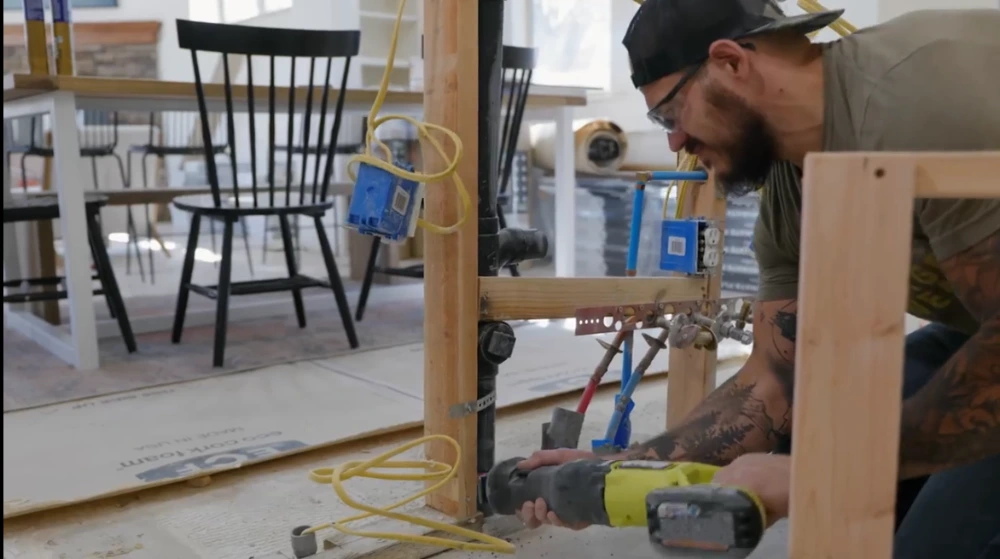
A full repipe typically takes 2-4 days depending on the home’s size and layout, and involves accessing wall cavities and crawl spaces to run new PEX supply lines, then patching any drywall that was opened. Water is usually shut off only during active work hours and restored each evening, so most homeowners aren’t without water overnight. Larger repiping jobs typically require a permit through the City of Loveland or Larimer County, which a licensed plumber handles as part of the project.
Frequently Asked Questions
Does galvanized pipe affect my home’s resale value?
It can. Buyers and their inspectors increasingly know to check for galvanized pipe in older homes, and some lenders or insurers flag it during underwriting. Addressing it proactively can be a selling point rather than a negotiating disadvantage.
Is galvanized pipe a health concern?
Older galvanized pipe can, in some cases, have been manufactured with lead-containing solder or fittings at connection points, which is a separate consideration from the corrosion issue. If you’re concerned, a water test can check for lead content specifically.
What does a full repipe cost in Loveland?
Whole-home repiping typically runs $4,000–$15,000+ depending on size and access. See our full cost guide or repiping service page for more detail.