
Emergency Plumber in Loveland, CO
Burst pipe, no water, sewage backup, or a gas smell? We answer the phone 24 hours a day, every day of the year.
Call (970) 559-646624/7
Always Open
$0
Hidden After-Hours Fee
CO
Licensed Plumbers
Local
Loveland-Based Team
On This Page
What Counts as a Plumbing Emergency?
Not every plumbing problem needs a call at 2 a.m. — but some genuinely can’t wait. Here’s how to tell the difference:
- Burst or actively leaking pipe you can’t stop at the fixture
- No water at all, especially during a hard freeze
- Sewage backing up into a tub, sink, or floor drain
- Gas smell near a water heater or gas line
- Flooding from a failed water heater or supply line
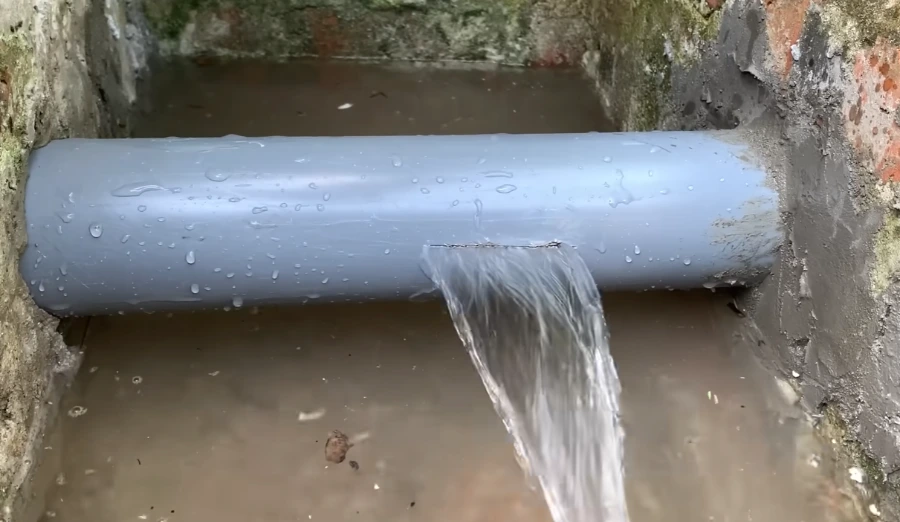
While You Wait for Us
- Shut off your main water valve — usually near where the water line enters your home, turn clockwise to stop water to the whole house
- Shut off the fixture valve if only one fixture is affected
- Turn off your water heater if it’s leaking — electric at the breaker, gas at the gas valve
- Move valuables away from water and use towels or a wet-vac if it’s safe
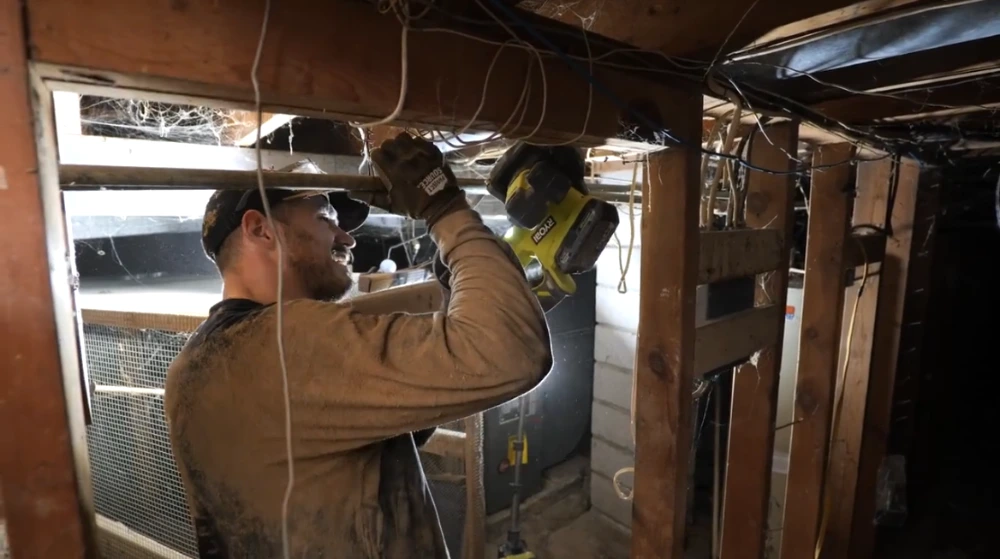
Why Winter Is Loveland’s Busiest Emergency Season
Loveland sits around 5,000 feet, with winter lows regularly dropping into the teens and single digits. Uninsulated pipes in crawl spaces, garages, and exterior walls — common in the area’s older homes — can freeze and split without warning. A burst pipe can release hundreds of gallons before anyone notices, which is exactly why fast emergency response matters most in January and February.
The Three Emergency Patterns We See Most in Loveland
Dec – Feb
Winter Freeze Bursts
Loveland’s elevation brings hard freezes into the teens and single digits. Pipes in crawl spaces and exterior walls — common in older homes near downtown — crack internally during the freeze and often burst 12-48 hours later during thaw. We pressure-test before restoring water to catch this before it floods a room.
Year-Round
Clay Soil Line Failures
Colorado’s expansive clay soil swells and shrinks with moisture, stressing buried sewer and water lines until a joint finally cracks. Unlike a burst pipe, this often shows up gradually — a wet patch of yard, a slow drain that suddenly backs up — before becoming a same-day emergency.
May – Sep
Summer Sewer Backups
Root growth from mature trees in Loveland’s older, tree-lined neighborhoods peaks during the growing season, pushing into sewer line joints. A sudden backup during summer is frequently root-related and needs same-day clearing — sewage backup is a health hazard, not a wait-and-see situation.
What Happens When You Call
1. You call, we answer
A real Loveland plumber picks up, not a call center. We ask what’s happening and give you an honest read on urgency.
2. We come to you
We give you a real timeframe, not a vague “sometime today.” True emergencies get prioritized.
3. We fix it right
Written price before we start, even after hours. No surprise charges on the invoice.
Emergency Plumbing FAQs
Do you charge extra for after-hours or weekend emergency calls?
We’re upfront about pricing before we start, whether it’s Tuesday afternoon or Saturday at midnight. Ask about the exact cost on the phone before we dispatch.
How fast can you get to my home in Loveland?
Response time depends on current call volume and your location within Loveland, CO 80537/80538 and surrounding areas. For true emergencies, we prioritize dispatch.
What if I can’t find my main water shutoff valve?
Stay on the phone with us and we’ll help you locate it, or talk you through shutting off the fixture-level valve instead.
What should I do if a pipe bursts and I can’t shut off the water?
Call us immediately and stay on the line. In the meantime, try to contain the water with towels and move electronics or valuables out of the area. Never touch electrical outlets or panels near standing water.
Can a frozen pipe burst without any water running?
Yes. Ice inside a pipe expands and can crack the pipe wall even before any water is flowing. The break often isn’t discovered until the ice thaws and water starts leaking, sometimes hours or days later.
Is a running toilet ever an emergency?
Usually not, unless it’s overflowing or won’t stop filling and flushing at all. If it’s just running continuously without overflowing, you can typically wait for a scheduled repair rather than an emergency visit.
Will my homeowner’s insurance cover this emergency?
Most standard Colorado homeowner’s policies cover sudden, accidental water damage — a burst pipe or failed water heater — as long as the home was reasonably maintained. This typically covers the repair itself plus resulting damage to floors and walls. It usually does not cover gradual leaks you knew about and ignored, or damage from a slow leak that had been active for months before discovery. We provide documentation of the cause and scope of every emergency repair, which you can submit directly to your insurer.
Related Services
Serving Loveland & Surrounding Areas
Proudly serving ZIP codes 80537 and 80538, and these neighborhoods:
LovFlow Plumbing Co. · 1208 S Cleveland Ave, Loveland, CO 80537
What Actually Happens When You Call
Most emergency plumbing pages describe the problem but not what actually happens after you call. Here’s the real sequence:
You describe the problem
A real person answers, not a dispatch queue. We ask a few quick questions to understand severity before anything else.
We give you immediate safety steps
If it’s a burst pipe or gas smell, we walk you through what to shut off or where to go before we’ve even hung up.
You get a real arrival window
Not “sometime today” — an actual window based on where our nearest tech is in Loveland.
Diagnosis and written price before work starts
You approve the number before anything is repaired, even in an emergency.
Emergency Pricing, Explained Honestly
After-hours pricing is a common source of frustration with emergency plumbing, mostly because it’s rarely explained clearly. Here’s how it actually works:
The repair cost itself doesn’t change based on time of day — only the dispatch fee for getting a tech out outside business hours. We always confirm both numbers before starting.
Loveland Emergency Calls by Season
Loveland’s emergency call patterns follow the seasons pretty predictably, and knowing what’s common when can help you catch a problem before it becomes a true emergency:
- December–February: Frozen and burst pipes dominate, especially in crawl spaces and exterior walls of older homes near downtown.
- March–May: Sump pump failures as snowmelt raises groundwater, plus thawing pipes that were frozen (but not yet burst) over winter.
- June–August: Water heater failures spike as increased usage from house guests and higher intake temperatures stress aging units.
- September–November: Sewer line backups from root intrusion become more common as trees prepare for dormancy and roots seek remaining moisture.
More Emergency Plumbing Questions
What actually counts as a plumbing emergency versus something that can wait until morning?
Active flooding, no water at all, sewage backup, or a gas smell are genuine emergencies. A single slow drain or a small drip can safely wait for a scheduled appointment.
How fast can you actually get to my house?
It depends on where our nearest technician is at the time you call, but we give you a real window on the phone, not a vague “within a few hours” estimate.
Is there a cancellation fee if the problem resolves itself before you arrive?
No, we’d rather you cancel a call that’s no longer needed than pay for an unnecessary visit — just let us know as soon as you can.
Do you charge extra just for being available 24/7?
No standing “membership” or availability fee — you only pay the after-hours dispatch fee if you actually call outside business hours.
What should I do while waiting for you to arrive during a burst pipe?
Shut off the main water valve immediately, then open a faucet at the lowest point in the house to help drain remaining pressure from the lines.
Can you handle multiple emergency issues in one visit if they happened at once?
Yes, if a single event (like a hard freeze) caused multiple issues, we address them together in the same visit rather than treating them as separate calls.
Serving Every Loveland Neighborhood
We provide emergency plumbing across every Loveland neighborhood, and the housing stock varies enough between areas that it’s worth knowing what’s typical where you live:
Older housing stock, more likely to have galvanized supply lines and cast iron drains that affect this type of work.
Newer construction, generally current code compliance, though builder-grade fixtures wear faster than expected.
Mixed-age housing near the golf course area, generally well-maintained but with some homes reaching the age where original systems need attention.
Some properties on well and septic systems rather than municipal service, which changes certain considerations for this work.
See our full areas we serve page for details on all five Loveland neighborhoods we cover.
A Few More Questions
Do you serve areas just outside Loveland city limits?
Yes, we cover the surrounding areas within our service radius including Berthoud and parts of unincorporated Larimer County near Loveland.
What information should I have ready when I call for an emergency?
Your address, a brief description of what’s happening, and whether you’ve already shut off water if applicable — this helps us dispatch the right equipment on the first trip.
Our Trucks Are Stocked for Real Emergencies
A big part of a fast emergency repair is not needing a second trip for parts. Our trucks carry:
- Common shutoff valves, fittings, and supply line connectors in multiple sizes
- Emergency pipe repair clamps and epoxy for temporary stabilization on burst lines
- Basic water heater components for the most common failure points
- Drain clearing equipment for both minor and main-line clogs
More on Emergency Response
Do you carry parts for older, discontinued fixtures?
For very old or unusual fixtures, we may need to source a specific part, which we’ll communicate clearly rather than assume a same-visit fix.
What if the emergency turns out to be bigger than expected once you arrive?
We’ll pause, explain what we found, and give you an updated price before continuing — you’re never committed to work beyond what you’ve approved.
Why Response Speed Actually Matters
A burst pipe releases roughly 8-10 gallons of water per minute at normal household pressure. That means a 30-minute delay in shutting off water and getting a repair started can mean 300+ gallons of water intrusion into flooring, drywall, and subfloor — the difference between a plumbing repair and a plumbing-plus-restoration project. This is the core reason we prioritize genuine emergencies over scheduling convenience.
The same logic applies to sewage backups: the longer contaminated water sits, the more surfaces it affects and the more remediation is needed afterward. Fast response isn’t just about your comfort — it directly limits the scope and cost of secondary damage.
Our Commitment on Every Emergency Call
Every emergency visit follows the same standard regardless of time of day: a licensed, background-checked technician, a fully stocked truck, clear communication about what we find, and a written price before any repair begins. We don’t treat emergency calls differently just because urgency might make it tempting to skip steps — if anything, we’re more careful, since you have less time to second-guess a decision made under stress.
If you’re reading this while dealing with an active emergency right now, stop reading and call us directly at (970) 559-6466 — we’ll walk you through next steps immediately.