
Plumbing License Guide
Colorado Plumbing License Guide: What Homeowners Should Know
Before you hire anyone to touch your plumbing, here’s what Colorado actually requires — and how to verify it.
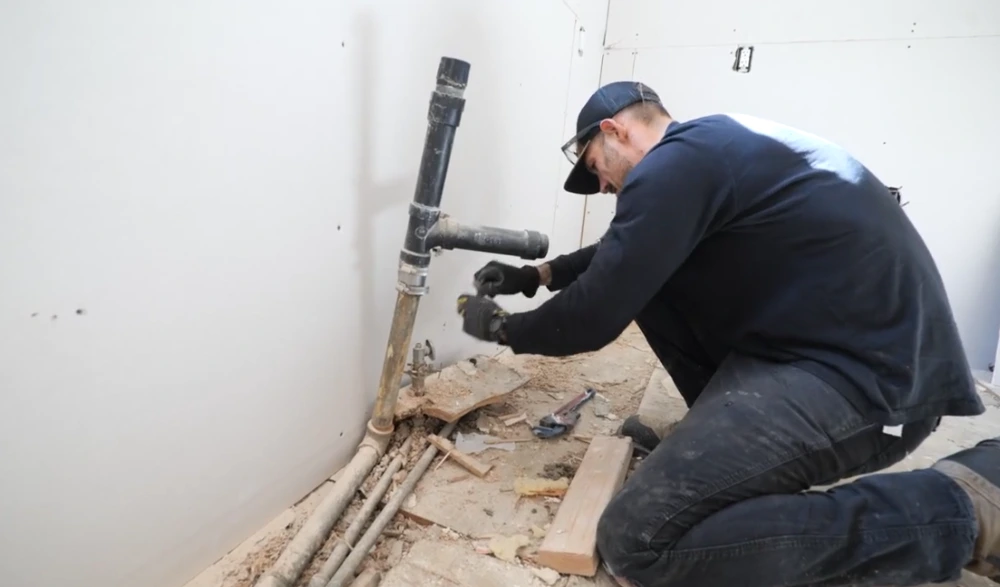
Colorado Requires State Plumbing Licensure
Colorado law requires anyone performing plumbing work to hold an active license issued through the Colorado State Plumbing Board, which operates under the Department of Regulatory Agencies (DORA). This isn’t optional or a local-jurisdiction-only requirement — it applies statewide, including in Loveland and throughout Larimer County.
The licensing system exists to ensure plumbers meet minimum competency and safety standards before they’re legally permitted to work on the systems that carry your home’s water supply and waste — systems where a mistake can mean property damage, contamination risk, or worse.
The Four Colorado Plumbing License Tiers
| Tier | What It Means |
|---|---|
| Apprentice | Entry-level, works under direct supervision of a licensed plumber while gaining required experience hours |
| Residential | Licensed to perform plumbing work on residential properties independently |
| Journeyworker | Broader scope covering both residential and commercial plumbing work |
| Master Plumber | The highest tier, typically required to pull permits and supervise other licensed plumbers on a job |
Continuing Education Requirements
Licensed Colorado plumbers are required to complete continuing education hours annually to keep their license active — typically around 8 hours per year, covering updates to code, safety practices, and industry standards. This requirement exists specifically because plumbing codes and best practices evolve, and a license earned years ago doesn’t automatically mean the holder is current on today’s standards without ongoing education.
Why This Matters When Hiring a Plumber
- Insurance and liability: Work performed by an unlicensed individual can create complications with homeowner’s insurance claims if something goes wrong later
- Home resale: Unpermitted or unlicensed plumbing work can surface during a home inspection when you sell, potentially requiring costly correction before closing
- Permit requirements: Many plumbing jobs — especially larger ones like repiping or sewer line replacement — require permits that only a licensed plumber (often specifically a Master Plumber) can legally pull
- Actual competency: The licensing process, including exams and required experience hours, is designed to filter for a baseline level of real skill, not just paperwork
How to Verify a Plumber’s License
Before hiring any plumber in Loveland or elsewhere in Colorado, you can ask directly for their license number and tier. A legitimate licensed plumber will have no hesitation providing this — it’s public information they’re required to disclose. If a company or individual is reluctant to share licensing details, that’s worth treating as a red flag.
You can also ask what tier of license the specific person doing your work holds, not just the company as a whole — a company can employ plumbers at different license tiers, and the person actually in your home should be licensed appropriately for the scope of work being done.
Frequently Asked Questions
Can I do my own plumbing work in Colorado without a license?
Homeowners are generally permitted to perform plumbing work on their own primary residence in many jurisdictions, though permit requirements still typically apply for larger work. Local rules can vary, so it’s worth checking with the City of Loveland or Larimer County building department before starting significant DIY plumbing work.
What’s the difference between a licensed plumber and a handyman doing plumbing work?
A licensed plumber has passed state-required exams and met experience requirements specifically for plumbing work. A general handyman, even if skilled, typically isn’t authorized to perform licensed plumbing work or pull the permits required for larger jobs.
Does hiring an unlicensed plumber void my homeowner’s insurance?
It depends on your specific policy, but many homeowner’s policies have language that can complicate claims related to unpermitted or unlicensed work. It’s worth checking your policy directly if this is a concern.